
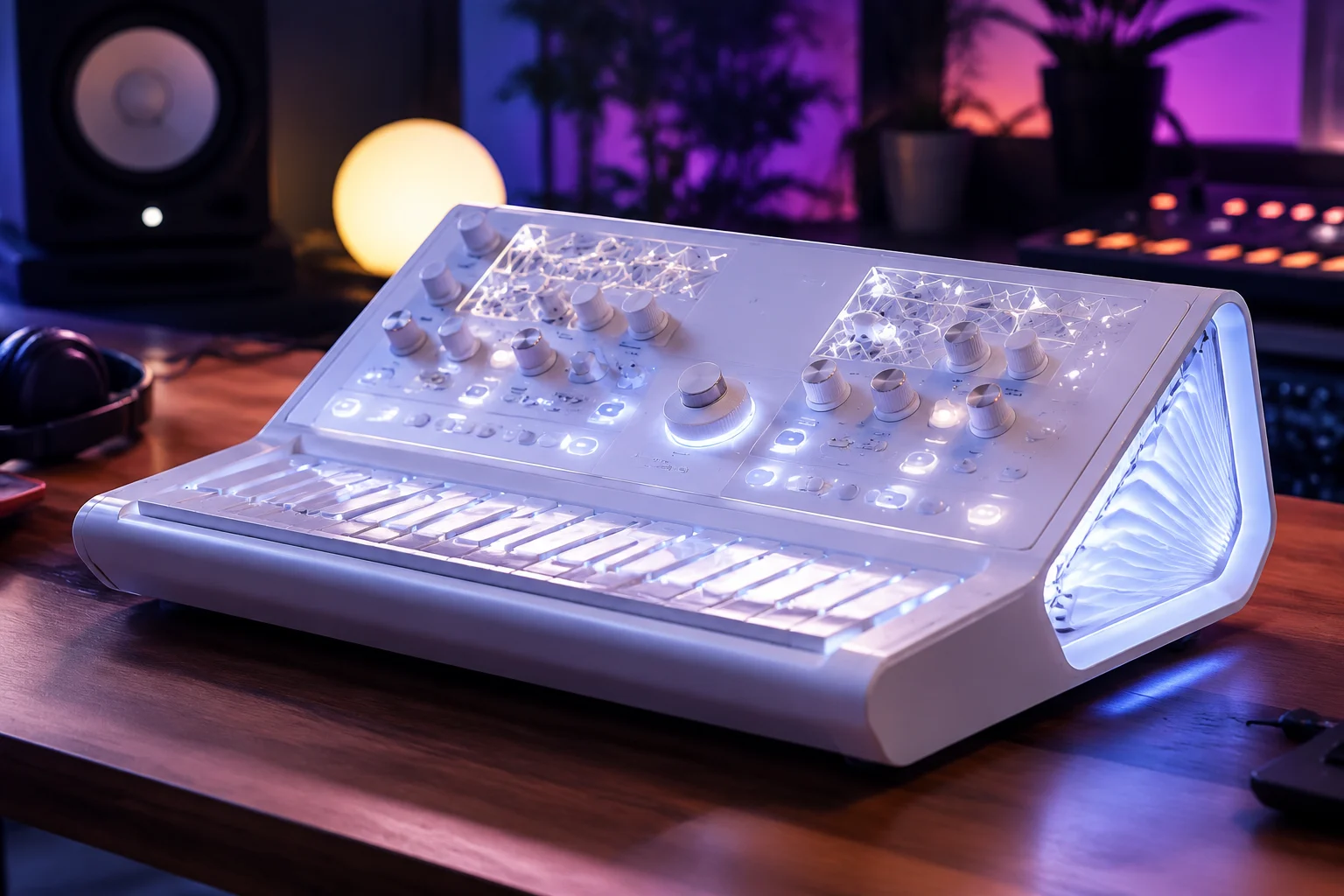
The music world has always been fascinated by instruments that feel like they arrived from the future, but the Nopia synth is creating a different kind of excitement. Instead of competing with traditional keyboards, guitars, or software plugins, this new harmony-focused instrument is attracting attention because it makes complex musical ideas feel more accessible. The viral buzz around Nopia synth shows a growing movement among modern musicians who want tools that inspire creativity rather than simply reproduce existing sounds. From bedroom producers to experienced performers, many creators are curious about how a new generation of instruments can change the way songs are written, arranged, and performed.
The rise of Nopia comes at a time when music technology is moving beyond the traditional boundaries of studios and stages. Musicians today are surrounded by endless options, from digital audio workstations and AI-powered tools to classic analog equipment. Yet, the challenge remains the same: finding instruments that encourage people to actually create. The Nopia synth has become interesting because it focuses on musical exploration, harmony building, and performance interaction instead of overwhelming users with complicated controls.
For readers following the latest developments in instruments, production techniques, and creative workflows, Nopia synth represents a new chapter in how modern musicians approach sound. It reflects a broader shift happening across the industry, where technology is no longer just about improving technical quality but also about making inspiration easier to reach. The question now is whether Nopia is simply a viral curiosity or a sign of where music creation is heading next.
Why Nopia Synth Became a Viral Music Technology Story
The reason behind Nopia’s popularity is not only its hardware design but also the feeling it creates when people see it in action. Many modern instruments are promoted through specifications, processing power, or lists of technical features. Nopia takes a different approach by focusing on the emotional side of making music. The idea of quickly building rich harmonies, experimenting with melodies, and discovering unexpected combinations appeals to musicians who often struggle with creative blocks.
In an era where countless creators use laptops as their main studio, physical instruments have started to regain attention because they provide a different experience. Touching controls, changing settings manually, and interacting directly with sound can create a stronger connection between the musician and the music. Nopia fits into this trend by offering an instrument that feels playful while still being capable of producing professional results.
The internet reaction surrounding Nopia also highlights a larger cultural shift in music equipment. Communities of producers, synth enthusiasts, and independent artists now play a major role in deciding which tools become influential. A unique concept can spread globally within days through demonstration videos, creator discussions, and online experimentation. Nopia’s viral growth shows that musicians are searching for instruments that feel personal, expressive, and different from the standard production setup.
How Nopia Synth Changes the Way Musicians Create
At its core, the Nopia synth is designed around the idea of making harmony creation more intuitive. Traditional music theory can be intimidating for beginners, especially when they want to create complex chord progressions or emotional arrangements. Instruments like Nopia attempt to reduce that barrier by giving creators more immediate ways to explore musical relationships. Instead of spending hours studying technical concepts before making something interesting, musicians can experiment and discover ideas naturally.
This approach does not mean removing creativity from the process. In fact, the opposite may be true. By handling some of the more technical challenges, the instrument allows musicians to spend more energy on expression, storytelling, and arrangement choices. Similar to how photographers use advanced cameras without needing to understand every mechanical detail, modern musicians increasingly want tools that help them focus on the final artistic vision.
The appeal of Nopia also connects with the growth of independent music production. More artists are creating songs from bedrooms, small studios, and mobile setups rather than relying entirely on traditional recording environments. A compact instrument that encourages experimentation fits perfectly into this ecosystem. It gives creators another option between simple software presets and expensive professional studio equipment.
A New Generation of Harmony-Based Instruments
Harmony-focused instruments are becoming increasingly relevant because modern music production is changing. Producers are no longer only searching for realistic simulations of classic instruments. They are looking for tools that generate ideas, inspire different approaches, and create sounds that are difficult to achieve through traditional methods. This explains why experimental synthesizers, modular systems, and creative controllers continue to attract attention.
Nopia belongs to this wider movement of instruments designed around creativity rather than replacement. It does not attempt to eliminate musicianship or make songwriting automatic. Instead, it works as a creative partner that helps artists explore possibilities. This philosophy matches the current generation of musicians who see technology as a collaborator rather than simply a machine.
The Rise of Creative Synth Gear in Modern Sound Culture
The popularity of Nopia reflects a bigger transformation happening in music gear culture. For decades, musicians often judged equipment based on traditional standards such as realism, power, and professional studio capability. Today, many creators value different qualities, including inspiration, workflow speed, portability, and uniqueness. An instrument that creates a new creative experience can become more attractive than one that simply offers better technical performance.
This change can be seen across the entire music technology landscape. Synthesizers, effects processors, controllers, and digital instruments are increasingly designed with interactive experiences in mind. Manufacturers understand that musicians want tools that help them discover new sounds rather than simply reproduce familiar ones. The success of creative instruments shows that the emotional relationship between artists and technology is becoming just as important as raw specifications.
Social media has accelerated this evolution because musicians now share their creative processes publicly. A unique instrument can become popular not only because of what it does but because of the community that forms around it. Tutorials, performances, and experiments turn hardware into a cultural object. Nopia’s viral attention demonstrates how modern music culture is shaped by collaboration between companies, creators, and online audiences.
Why Musicians Are Looking Beyond Traditional Synthesizers
For many years, synthesizer innovation focused heavily on recreating famous sounds from previous generations. Vintage-inspired keyboards, classic analog emulations, and digital recreations of legendary machines dominated much of the market. While these instruments remain popular, a new generation of musicians wants something different. They are interested in tools that create unfamiliar workflows and encourage experimentation.
The modern producer often has access to thousands of virtual instruments and effects inside a computer. While this provides incredible flexibility, it can also create decision fatigue. Having too many options sometimes makes it harder to start creating. Instruments like Nopia gain attention because they provide a focused environment where creativity can happen without endless searching through menus and presets.
This does not mean traditional synthesizers are becoming irrelevant. Instead, the market is expanding into different categories for different creative personalities. Some musicians want authentic analog experiences, while others want futuristic instruments that encourage new approaches. The growth of Nopia shows that the future of music gear may be less about replacing old technology and more about expanding the creative possibilities available to artists.
Nopia Synth and the Future of Music Creation
The future of music creation will likely involve a combination of human creativity and intelligent technology. While artificial intelligence is becoming a major topic in the industry, many musicians are still searching for tools that keep human decisions at the center of the creative process. Instruments like Nopia represent another direction where technology supports imagination without taking control away from the artist.
As music production becomes more accessible, the definition of a musician continues to change. A person does not necessarily need expensive equipment, formal training, or a traditional studio background to create meaningful work. New instruments can open doors for people who previously felt excluded from music production. This democratization of creativity may become one of the biggest impacts of modern music technology.
Nopia’s popularity also raises interesting questions about what musicians will expect from future instruments. Will creators prefer tools that produce more realistic sounds, or will they choose instruments that inspire more original ideas? The answer may depend on how successfully companies balance innovation with usability. The most influential instruments of the future may not be the most powerful ones, but the ones that make people want to create.
The Bigger Meaning Behind Nopia’s Viral Success
The story of Nopia is not only about one new synthesizer. It represents a larger conversation about creativity in the digital age. Musicians are surrounded by more technology than ever before, but they still search for tools that provide inspiration and emotional connection. The excitement around Nopia suggests that people are not simply looking for faster production methods; they are looking for more meaningful creative experiences.
Every generation of musicians has its defining tools. Electric guitars changed rock music, drum machines transformed electronic genres, and digital audio workstations changed how songs were produced. The next generation of instruments may focus less on copying existing sounds and more on helping artists discover new musical languages. Nopia enters this conversation as one example of how hardware design is evolving alongside modern creative culture.
Whether Nopia becomes a long-term industry favorite or remains a fascinating moment in music technology history, its impact is already visible. It has encouraged discussions about creativity, accessibility, and the relationship between humans and instruments. In a crowded market full of technical upgrades, the biggest innovation may simply be creating something that makes musicians excited to play again.
Ultimately, the rise of the Nopia synth shows that the future of music technology is not only about making machines smarter. It is about making creativity feel more natural, personal, and inspiring. As artists continue exploring new ways to create sound, instruments that encourage curiosity will remain at the center of modern music culture. Nopia’s viral journey is a reminder that sometimes the most important feature of a musical tool is not what it can do, but what it makes people want to imagine.